
In today’s rapidly evolving world, educational institutions face a myriad of security challenges. Ensuring the safety and security of students, faculty, and staff is paramount. Below, we delve into the importance of security for educational institutions and how it impacts various aspects of the educational environment.
1. Physical Security: Protecting People and Property
One of the most immediate concerns for educational institutions is physical security. Schools and universities need to safeguard students, teachers, and staff from potential threats such as:

– Unauthorized intrusions
– Acts of violence
-Theft and vandalism
Implementing measures such as surveillance cameras, access control systems, and regular security patrols can help mitigate these risks and create a safer environment for everyone.
2. Cybersecurity: Safeguarding Digital Assets
With the increased reliance on digital platforms for learning and administration, cybersecurity has become a critical component of institutional security. Educational institutions are prime targets for cyberattacks due to the vast amount of sensitive data they hold, including:

-Student records
-Financial information
-Research data
Investing in robust cybersecurity measures such as firewalls, encryption, and regular security audits can help protect these digital assets from hackers and data breaches.
3. Emergency Preparedness: Responding to Crises Effectively
Emergencies such as natural disasters, fire outbreaks, or health crises can occur without warning. Educational institutions must have comprehensive emergency preparedness plans in place, including:

-Evacuation procedures
-Emergency communication systems
-Regular drills and training sessions
Preparedness ensures that institutions can respond swiftly and effectively to minimize harm during such events.
4. Mental Health and Safety: Creating a Supportive Environment
Security isn’t just about physical safety; it also encompasses mental well-being. Educational institutions need to foster an environment where students and staff feel secure enough to report any concerns or incidents. This includes:

-Anti-bullying policies
-Access to counseling services
-Programs promoting mental health awarene
A supportive environment helps in early identification and resolution of issues that could escalate into bigger security problems.
5. Legal and Compliance Requirements: Adhering to Regulations
Educational institutions must comply with various local, national, and international security regulations. This includes:
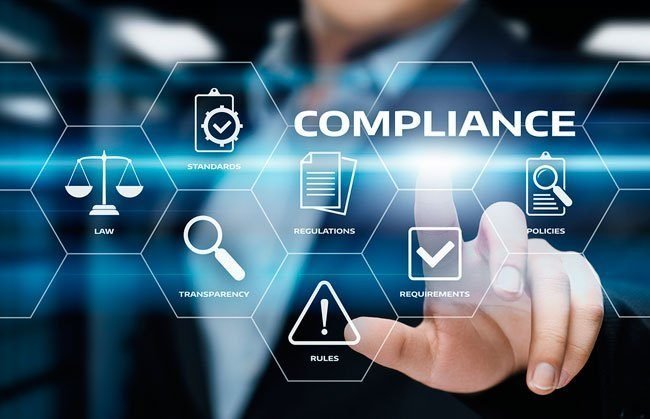
-Data protection laws like GDPR or FERPA
-Health and safety regulations
-Accreditation standards
Failure to comply with these regulations can lead to legal penalties and loss of accreditation, further emphasizing the importance of a well-structured security framework.
Conclusion
Security in educational institutions is not just a regulatory requirement but a fundamental aspect of providing a safe and conducive learning environment. By addressing physical security, cybersecurity, emergency preparedness, mental health, legal compliance, and community trust, institutions can ensure the holistic safety of their community. Investing in security measures today will protect the future of education.